

If you’re looking for a great vacation spot that offers something for everyone, look no further than Ohakune. This charming town is home to some of the most popular tourist attractions in New Zealand. From exciting outdoor activities to fascinating cultural landmarks, Ohakune has something for everyone. Here are just a few of the must-see destinations in Ohakune.
Waitonga Falls Track
 The Waitonga Falls Track is one of Ohakune’s most popular hiking trails. The trailhead is located just a short walk from the town center. The track takes you through native forest and past several waterfalls, culminating in a stunning view of the Waitonga River.
The entire hike takes about two hours to complete. Aside from Waitonga falls track, there are other great places to hike. But before doing so, you need to wear things such as a decent pair of water shoes. Many people like to start their hike early in the morning to enjoy the forest’s peacefulness before it gets too crowded.
Maunga Whau Volcano
 Maunga Whau is an extinct volcano that offers stunning views of the surrounding countryside. The crater is about four kilometers wide and three hundred meters deep. Several walking tracks wind their way around the crater, and a viewing platform at the summit provides panoramic views of Ohakune and the Central Plateau. Many people are surprised to learn that Maunga Whau is actually an extinct volcano. If you plan on going there, you need to wear sunscreen and a hat because the sun can get pretty intense, even on cloudy days.
The Old Coach Road
The Old Coach Road is a historic trail that was once used by coaches traveling between Wellington and Auckland. The road follows the Mangawhero River for much of its length and passes through several small towns. The trail is now popular with hikers, cyclists, and horseback riders. It can be accessed from Ohakune or from any of the towns along the route. Many find this road to be very peaceful and scenic. This is why this is a popular tourist attraction.
Snowplaza
 Snowplaza is a popular ski resort located just outside of Ohakune. The resort offers a variety of slopes for all levels of skiers and snowboarders, as well as several other amenities such as restaurants, shops, and equipment rentals.
Snowplaza is open from June to October. So if you’re looking to hit the slopes, this is the place to go. Many people come here to ski and snowboard. But there are also other activities such as tubing, sledding, and ice skating. If you’re looking for an interesting destination to explore, Ohakune is definitely worth a visit. With its charming small-town atmosphere and array of popular tourist attractions, there’s something for everyone in this picturesque mountain town. Have you been to Ohakune? What were your favorite things to do there? Let us know in the comments below.


 You don’t have to be eager to be fluent in English, but understanding a few common words and phrases will help you greatly on your trip to Cuba. Although English is becoming more and more prevalent in the suburbs, there will still be a language barrier in the rural areas of the country. If you follow our tips and decide to stay in private homes, knowing a modest amount of Spanish will make it easier. Simple phrases and common idioms act as a pure icebreaker, and sailors will love trying to speak in their particular language.
 Every itinerary starts with intention. You must know why you are taking the trip. Some travelers want culture. Others want rest or adventure. Your goals define the rhythm of your journey. They shape your destinations and the time spent in each place. When you understand your purpose, the entire trip becomes clearer. You avoid unnecessary stops. You save time and energy. Clarity gives direction and helps you create meaningful experiences, not random ones. This step sets the foundation for everything else. However, many tend to overlook this and make things confusing for them.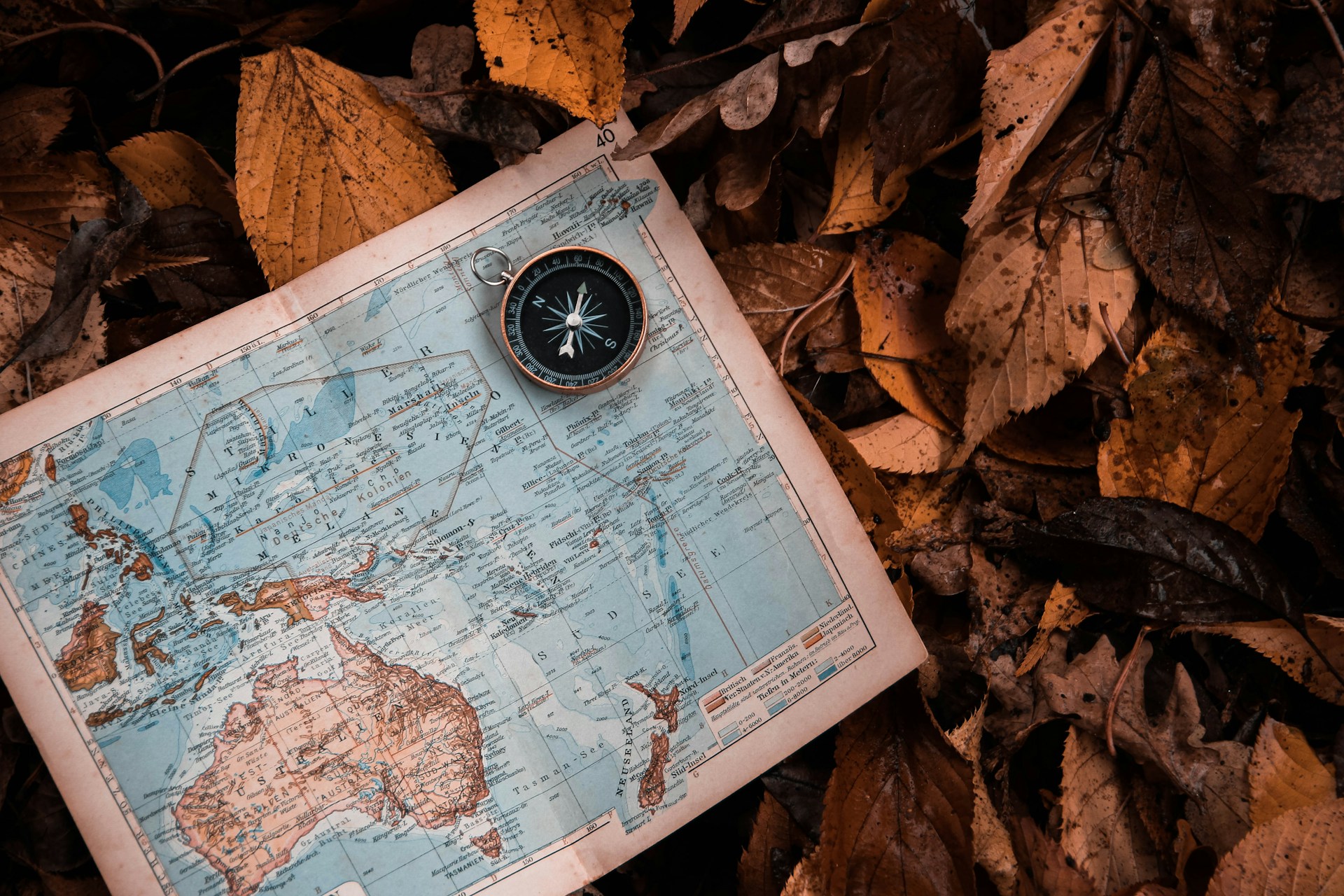
 The best itineraries leave space for surprise. Some of your favorite moments may be unplanned. A quiet street, a hidden café, or a festival you did not expect can shape your memories. Flexibility keeps your journey fresh. It allows you to follow your instincts. It also helps you adapt when plans shift. Weather, crowds, or closures can change your schedule at any moment. With a little flexibility, those changes do not disrupt your trip. They simply redirect it. Treat your itinerary as a guide, not a rulebook. This ensures that your travel experience stays enjoyable and authentic, even when plans evolve.

