About T Adventures Travel Avoid These Tourists’ Mistakes When Going to Bali, Indonesia

Avoid These Tourists’ Mistakes When Going to Bali, Indonesia

bali

If you’re planning a trip to Bali, Indonesia, you’ll want to avoid making the same mistakes that other tourists have made. This beautiful island is a popular destination for tourists from all over the world, and with good reason. There’s so much to see and do in Bali. And check out the Hammburg site to learn more about the best attraction in Indonesia. However, if you’re not careful, you could end up ruining your trip. This blog post will explore some of the most common tourist mistakes people make when visiting Bali. We’ll also provide some tips on how to avoid them.

Not Being Aware of Cultural Norms and Customs

cultureBali is a predominantly Hindu island, and their culture and customs should be respected. Unfortunately, many tourists are not aware of this and offend the local people. For example, it’s considered rude to wear revealing clothing or drink alcohol in public.

If you want to avoid making this mistake, do some research on the local culture. That way, you’ll know what to expect and how to act accordingly.

Visiting Bali During the Wrong Time of Year

Visiting Bali during the wrong time of year is another common mistake tourists make. The island has two distinct seasons: the wet and dry seasons. The wet season runs from October to April, while the dry season is from May to September. The best time to visit Bali is during the dry season when the weather is most pleasant. However, remember that this is also the busiest time of year. If you’re looking to avoid the crowds, you may want to visit during the wet season instead.

Expecting Everything to Be Cheap

Just because Bali is a relatively affordable destination, that doesn’t mean everything on the island is cheap. Some things can be pretty expensive. For example, accommodation, food, and activities can all add up. If you’re not careful, you could spend more than you bargained for. To avoid this mistake, research the prices of things before you go and budget accordingly.

Not Exploring the Southern Area of the Island

Tourists often overlook the southern area of Bali. This is a shame, as there’s so much to see and do down there. From stunning beaches to lush jungle, there’s something for everyone. If you’re looking to get off the beaten path, add the southern area of Bali to your itinerary. The most famous attraction is Uluwatu Temple, which is definitely worth a visit.

Visiting Major Attractions in the Middle of the Day

beachFinally, another mistake tourists make is visiting major attractions in the middle of the day. This is when they are busiest and most crowded. If you want to avoid the crowds, plan to visit famous attractions early in the morning or late at night.

That way, you’ll enjoy them without all the elbow-to-elbow contact. So these have been some of the most common mistakes tourists make when visiting Bali. If you can avoid them, you’re sure to have a great trip. Do you have any other tips for avoiding tourist traps? Let us know in the comments below.

Related Post

The Ultimate Guide to Climate-Friendly TravelThe Ultimate Guide to Climate-Friendly Travel

Travel allows us to discover new cultures, breathtaking landscapes, and unforgettable experiences. However, tourism also contributes significantly to greenhouse gas emissions, resource consumption, and environmental degradation. As awareness of climate change grows, many travelers are looking for ways to reduce their environmental footprint without sacrificing the joy of exploration. Climate-friendly travel is about making thoughtful decisions before, during, and after your trip to minimize negative impacts while supporting sustainable destinations and communities. By adopting responsible travel habits, anyone can enjoy meaningful adventures while helping preserve the world’s natural beauty for future generations.

Choose Sustainable Transportation

Transportation often accounts for the largest share of a trip’s carbon emissions, making it one of the most important factors to consider. Whenever possible, opt for trains, buses, or other forms of public transportation instead of short-haul flights. If flying is unavoidable, selecting direct flights can help reduce emissions since takeoffs and landings consume the most fuel. Understanding how different travel and construction choices affect the environment can provide valuable perspective, and the information from wissen.de/wie-viel-klimaschutz-steckt-wirklich-im-neubau can offer additional insights into sustainability. Once you arrive at your destination, walking, cycling, or using local transit can further reduce your environmental impact while allowing you to experience the area more authentically.

Stay in Eco-Friendly Accommodations

Choosing environmentally responsible accommodations is another effective way to support climate-friendly travel. Many hotels, lodges, and guesthouses have adopted sustainable practices such as energy-efficient lighting, renewable energy sources, water conservation systems, and waste reduction programs. Some properties also work closely with local communities by sourcing regional products and creating employment opportunities. Looking for recognized sustainability certifications can help travelers identify accommodations that genuinely prioritize environmental responsibility rather than relying solely on marketing claims.

Support Local Communities

souvenir

Sustainable travel extends beyond protecting the environment—it also includes supporting the people who call your destination home. Purchasing handmade products from local artisans, dining at family-owned restaurants, and hiring local guides help ensure that tourism revenue benefits the community directly. Respecting local customs and traditions fosters meaningful cultural exchanges while preserving heritage and identity. Responsible travelers contribute to stronger local economies and encourage tourism models that value long-term community well-being over short-term profits.

Reduce Waste While Traveling

Simple daily habits can significantly reduce the amount of waste generated during a trip. Carrying a reusable water bottle, shopping bag, coffee cup, and travel utensils helps eliminate many single-use plastics. Choosing digital tickets and travel documents instead of printed copies also reduces unnecessary paper consumption. Being mindful of recycling opportunities and disposing of waste properly protects natural environments, particularly in destinations that may have limited waste management infrastructure. Small individual actions, when multiplied by millions of travelers, can produce meaningful environmental benefits.

Respect Nature and Wildlife

Natural landscapes and wildlife are among the greatest attractions for travelers, making their protection especially important. Staying on marked trails, avoiding littering, and following local conservation guidelines help preserve fragile ecosystems. Wildlife should always be observed from a respectful distance without feeding or disturbing animals for photographs. Choosing ethical wildlife experiences instead of attractions that exploit animals encourages responsible tourism and supports organizations dedicated to conservation. Protecting biodiversity ensures that future generations can continue to enjoy the same remarkable natural wonders.

Climate-friendly travel is not about giving up memorable experiences but about making informed choices that benefit both people and the planet. From selecting lower-emission transportation and sustainable accommodations to reducing waste and supporting local communities, every decision contributes to a more responsible way of exploring the world. As sustainable tourism continues to grow, travelers have more opportunities than ever to minimize their environmental footprint while creating meaningful connections with the places they visit. By embracing climate-conscious habits, every journey can become part of a broader effort to protect our shared environment for years to come.

Photographer Tourist Snapshot

Four Must-See Sites in ChicagoFour Must-See Sites in Chicago

Chicago’s charm is easy to understand. This fast-paced, action-packed city sits in the middle of the countryside, surrounded by cornfields and squashed against Lake Michigan. While the winters can be cold, the summers are warm and exciting. There is more to do in Chicago than you can do in a lifetime. Therefore, read the following four must-visit sites in when traveling to Chicago. If you’re interested in seeing Chicago’s most popular places through the eyes of its residents, read on Things to do near Chicago on https://sites.google.com/view/things-to-do-naperville-illino/.

traveling to Chicago

The Hancock Tower Signature Room

One of the most spectacular views of Chicago is from the top of the Hancock Tower. Sears Tower is taller than Hancock Tower but much closer to the lake. The Hancock Tower offers a view of the Sears Tower and the Hancock Tower. Instead of going up to the observation deck, take a detour to the Signature Room. You might run into Chicagoans at brunch. Drink prices are similar to other rooms, so a drink may be a good option. Dinner, however, costs a bit more. In the restaurant, which is located one floor above the observation deck, you can enjoy breathtaking views while you eat and drink. Michigan Avenue

Chicago Blues and Jazz

Chicago is known for being home to some of the best blues and jazz musicians in the world. Even non-music fans could see it in classic movies like “Adventure in the Nanny” and “Blues Brothers.” A trip to Chicago would not be complete without listening to some jazz or blues. There are many blues clubs on the South Side, but also jazz clubs like the Green Mill on the north side of town. This is where Al Capone and other Chicago celebrities stayed. If you’re in Chicago, be sure to check out the Chicago Blues Fest, held in June. The Chicago Jazz Festival and the Chicago Gospel Music Festival are two other summer music festivals. Address: The Green Mill is located at 4802 N. Broadway Ave.


Tru Restaurant

Charlie Trotter’s Restaurant is known throughout the United States as the best place to enjoy a multi-course tasting menu. Locals know that Tru’s is the best restaurant in town. Four guests can enjoy up to 12 courses. Each member of the group gets a different selection – the madness is incredible! Location: 696 N. Clair Street

Chicago Museum Tour

Chicago is home to some of the most renowned museums in the United States. The Art Institute is home to one of the largest and most impressive collections in the world. On Tuesdays, the museum is open with free admission (but donations are accepted). If you’re a movie buff, remember Ferris Bueller’s Ride. The Art Institute isn’t the only museum in Chicago worth visiting. The Museum of Science and Industry has a wonderful museum where you can walk around in a submarine. And the Field Museum is home to Sue, the world’s largest T-Rex skull.

map

How to Build the Perfect International Travel ItineraryHow to Build the Perfect International Travel Itinerary

Planning an international trip takes patience, structure, and clear priorities. Travelling Weasels’ essential preparation checklist for overseas trips can support this process and keep everything on track. A well-crafted itinerary gives your journey flow and keeps stress low. It guides daily choices without limiting discovery. When you map out the essentials, you gain freedom to enjoy each moment. A balanced plan also helps you stay organized from arrival to departure. It becomes your anchor through all the excitement of exploring a new place. Building it the right way makes every day feel smooth and purposeful.

Understanding Your Travel Goals

writing Every itinerary starts with intention. You must know why you are taking the trip. Some travelers want culture. Others want rest or adventure. Your goals define the rhythm of your journey. They shape your destinations and the time spent in each place. When you understand your purpose, the entire trip becomes clearer. You avoid unnecessary stops. You save time and energy. Clarity gives direction and helps you create meaningful experiences, not random ones. This step sets the foundation for everything else. However, many tend to overlook this and make things confusing for them.

Researching Destinations in Depth

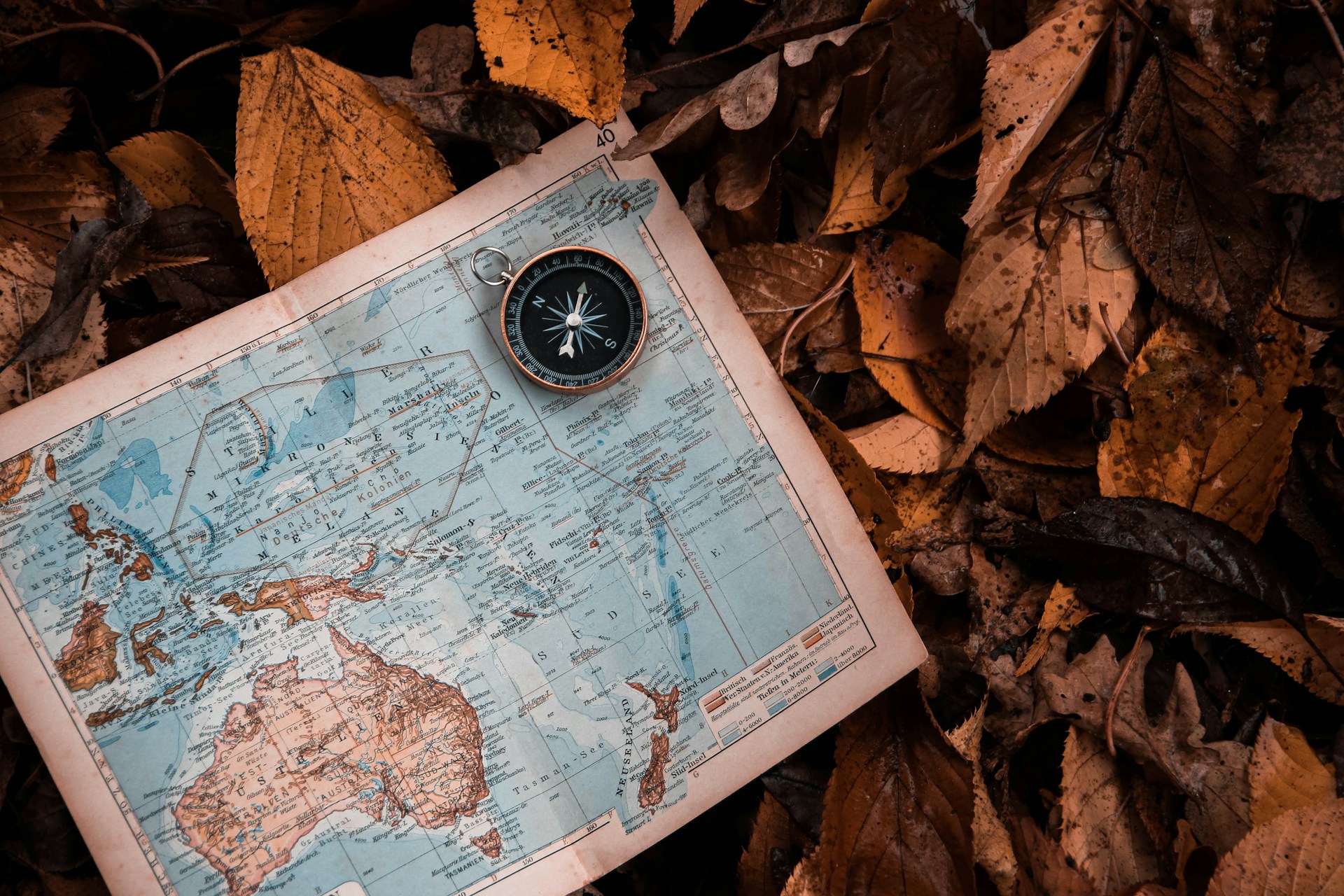
Research matters more than many realize. It helps you learn what each location truly offers. Weather conditions, local customs, peak seasons, and transportation options all shape your experience. Reading guides and watching updates helps you form expectations. It also prevents surprises. Your research should highlight what is worth seeing and what you can skip. This knowledge keeps your itinerary realistic. It also lets you spot unique opportunities that typical tourists overlook. Strong research creates informed choices that support a smoother trip.

Structuring Your Travel Timeline

Your timeline must feel natural. Give each destination enough time without rushing. Consider travel days, as they often consume more hours than expected. You should also include transitions between cities or countries. These details create accurate pacing. A structured timeline keeps you grounded and prevents overload. It also makes room for rest. You do not need to fill every hour. A flexible but organized timeline helps you enjoy each day fully. It keeps stress low and creates consistency throughout the trip.

Mapping Essential Logistics Early

map

Logistics form the backbone of your schedule. Start with flights, accommodations, and transport. These elements decide how your days unfold. Early planning avoids complications and protects your budget. It also gives you better choices in timing and location. Hotels near transit routes make moving easier. Pre-booked passes save long waits. When your logistics are clear, everything else flows. This step may not feel exciting, but it is vital. It supports safety, comfort, and predictability throughout the trip.

Balancing Activities With Downtime

Good itineraries blend activity and calm. Too many plans can drain your energy. Too little structure can lead to wasted time. Balance is the key to flow. Choose your main activities for each day, then leave space for spontaneity. This lets you follow your curiosity without falling behind. Downtime also helps you process the new sights, sounds, and flavors around you. Travel becomes more enjoyable when your mind and body feel steady. A balanced itinerary keeps your enthusiasm alive from start to finish.

Preparing for Cultural and Practical Differences

International travel introduces you to new ways of living. Respect for local culture enhances your experience. Learn basic etiquette, greetings, and dining customs. These efforts help you connect with the community. They also prevent misunderstandings. Practical differences matter too. Electrical outlets, currency rules, and transportation norms vary widely. Preparing for these small details strengthens your confidence abroad. The more you understand before you arrive, the smoother your trip feels. Preparation makes every encounter more meaningful.

Creating Room for Flexibility and Discovery

attending festival The best itineraries leave space for surprise. Some of your favorite moments may be unplanned. A quiet street, a hidden café, or a festival you did not expect can shape your memories. Flexibility keeps your journey fresh. It allows you to follow your instincts. It also helps you adapt when plans shift. Weather, crowds, or closures can change your schedule at any moment. With a little flexibility, those changes do not disrupt your trip. They simply redirect it. Treat your itinerary as a guide, not a rulebook. This ensures that your travel experience stays enjoyable and authentic, even when plans evolve.

Building the perfect international travel itinerary is a thoughtful process. It requires clarity, research, structure, and flexibility. Each part of the plan supports the next. A well-crafted itinerary makes room for adventure while keeping your journey manageable. It also helps you stay grounded as you move across borders and cultures. When you prepare with care, your travels feel smooth and memorable. The right plan brings comfort and excitement together. It ensures that every day abroad contributes to a fulfilling experience.