Planning an international trip takes patience, structure, and clear priorities. Travelling Weasels’ essential preparation checklist for overseas trips can support this process and keep everything on track. A well-crafted itinerary gives your journey flow and keeps stress low. It guides daily choices without limiting discovery. When you map out the essentials, you gain freedom to enjoy each moment. A balanced plan also helps you stay organized from arrival to departure. It becomes your anchor through all the excitement of exploring a new place. Building it the right way makes every day feel smooth and purposeful.
Understanding Your Travel Goals
 Every itinerary starts with intention. You must know why you are taking the trip. Some travelers want culture. Others want rest or adventure. Your goals define the rhythm of your journey. They shape your destinations and the time spent in each place. When you understand your purpose, the entire trip becomes clearer. You avoid unnecessary stops. You save time and energy. Clarity gives direction and helps you create meaningful experiences, not random ones. This step sets the foundation for everything else. However, many tend to overlook this and make things confusing for them.
Researching Destinations in Depth
Research matters more than many realize. It helps you learn what each location truly offers. Weather conditions, local customs, peak seasons, and transportation options all shape your experience. Reading guides and watching updates helps you form expectations. It also prevents surprises. Your research should highlight what is worth seeing and what you can skip. This knowledge keeps your itinerary realistic. It also lets you spot unique opportunities that typical tourists overlook. Strong research creates informed choices that support a smoother trip.
Structuring Your Travel Timeline
Your timeline must feel natural. Give each destination enough time without rushing. Consider travel days, as they often consume more hours than expected. You should also include transitions between cities or countries. These details create accurate pacing. A structured timeline keeps you grounded and prevents overload. It also makes room for rest. You do not need to fill every hour. A flexible but organized timeline helps you enjoy each day fully. It keeps stress low and creates consistency throughout the trip.
Mapping Essential Logistics Early
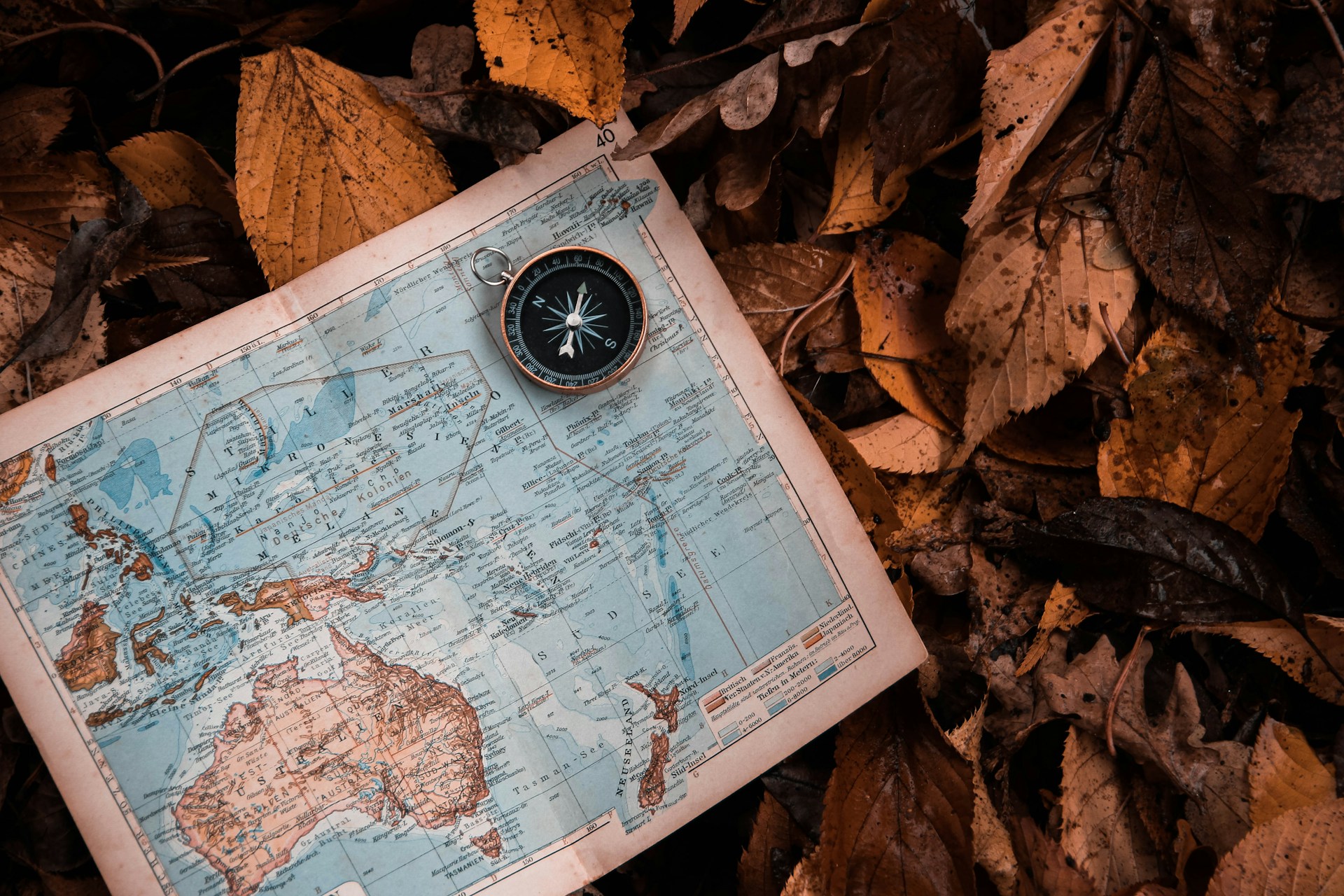
Logistics form the backbone of your schedule. Start with flights, accommodations, and transport. These elements decide how your days unfold. Early planning avoids complications and protects your budget. It also gives you better choices in timing and location. Hotels near transit routes make moving easier. Pre-booked passes save long waits. When your logistics are clear, everything else flows. This step may not feel exciting, but it is vital. It supports safety, comfort, and predictability throughout the trip.
Balancing Activities With Downtime
Good itineraries blend activity and calm. Too many plans can drain your energy. Too little structure can lead to wasted time. Balance is the key to flow. Choose your main activities for each day, then leave space for spontaneity. This lets you follow your curiosity without falling behind. Downtime also helps you process the new sights, sounds, and flavors around you. Travel becomes more enjoyable when your mind and body feel steady. A balanced itinerary keeps your enthusiasm alive from start to finish.
Preparing for Cultural and Practical Differences
International travel introduces you to new ways of living. Respect for local culture enhances your experience. Learn basic etiquette, greetings, and dining customs. These efforts help you connect with the community. They also prevent misunderstandings. Practical differences matter too. Electrical outlets, currency rules, and transportation norms vary widely. Preparing for these small details strengthens your confidence abroad. The more you understand before you arrive, the smoother your trip feels. Preparation makes every encounter more meaningful.
Creating Room for Flexibility and Discovery
 The best itineraries leave space for surprise. Some of your favorite moments may be unplanned. A quiet street, a hidden café, or a festival you did not expect can shape your memories. Flexibility keeps your journey fresh. It allows you to follow your instincts. It also helps you adapt when plans shift. Weather, crowds, or closures can change your schedule at any moment. With a little flexibility, those changes do not disrupt your trip. They simply redirect it. Treat your itinerary as a guide, not a rulebook. This ensures that your travel experience stays enjoyable and authentic, even when plans evolve.
Building the perfect international travel itinerary is a thoughtful process. It requires clarity, research, structure, and flexibility. Each part of the plan supports the next. A well-crafted itinerary makes room for adventure while keeping your journey manageable. It also helps you stay grounded as you move across borders and cultures. When you prepare with care, your travels feel smooth and memorable. The right plan brings comfort and excitement together. It ensures that every day abroad contributes to a fulfilling experience.


 Water skiing can be a good option for you if you like the adrenaline rush that comes with any water activity. Water skiing is a relatively simple sport. You will need a boat, water skis, a rope and two people to get on the boat. The boat must be manned by two people. One of them will guide the boat and keep an eye on the surroundings.

 One of the most important things you can do to have a successful camping trip is to plan. This means making a list of what you will need and ensuring that you have everything packed before leaving. It’s also a good idea to check the weather forecast to pack accordingly. This is what many people who have experienced a camping trip gone wrong have failed to do. Planning will ensure that you are ready for whatever happens during your camping trip. It also allows you time to make changes if necessary, which can be especially useful for the weather forecast.
 Ensuring that all of your
  One of the most common mistakes people make when camping is packing too much or too little. It’s important to pack appropriately so that you have everything you need, but don’t end up carrying a lot of unnecessary weight. This means considering the length of your trip, the weather conditions, and the activities you plan on doing. You don’t want to end up packing a bunch of clothes that you won’t need if the weather is hot or bring too many supplies if the trip is only for a few days.
 Bali is a predominantly Hindu island, and their culture and customs should be respected. Unfortunately, many tourists are not aware of this and offend the local people. For example, it’s considered rude to wear revealing clothing or drink alcohol in public.
 Finally, another mistake tourists make is visiting major attractions in the middle of the day. This is when they are busiest and most crowded. If you want to avoid the crowds, plan to visit famous attractions early in the morning or late at night.