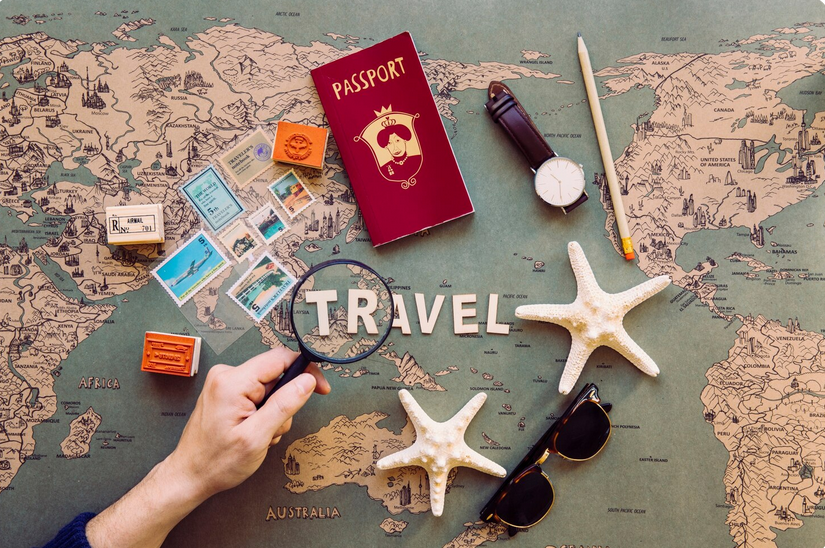
Planning an international trip takes patience, structure, and clear priorities. Travelling Weasels’ essential preparation checklist for overseas trips can support this process and keep everything on track. A well-crafted itinerary gives your journey flow and keeps stress low. It guides daily choices without limiting discovery. When you map out the essentials, you gain freedom to enjoy each moment. A balanced plan also helps you stay organized from arrival to departure. It becomes your anchor through all the excitement of exploring a new place. Building it the right way makes every day feel smooth and purposeful.
Understanding Your Travel Goals
 Every itinerary starts with intention. You must know why you are taking the trip. Some travelers want culture. Others want rest or adventure. Your goals define the rhythm of your journey. They shape your destinations and the time spent in each place. When you understand your purpose, the entire trip becomes clearer. You avoid unnecessary stops. You save time and energy. Clarity gives direction and helps you create meaningful experiences, not random ones. This step sets the foundation for everything else. However, many tend to overlook this and make things confusing for them.
Researching Destinations in Depth
Research matters more than many realize. It helps you learn what each location truly offers. Weather conditions, local customs, peak seasons, and transportation options all shape your experience. Reading guides and watching updates helps you form expectations. It also prevents surprises. Your research should highlight what is worth seeing and what you can skip. This knowledge keeps your itinerary realistic. It also lets you spot unique opportunities that typical tourists overlook. Strong research creates informed choices that support a smoother trip.
Structuring Your Travel Timeline
Your timeline must feel natural. Give each destination enough time without rushing. Consider travel days, as they often consume more hours than expected. You should also include transitions between cities or countries. These details create accurate pacing. A structured timeline keeps you grounded and prevents overload. It also makes room for rest. You do not need to fill every hour. A flexible but organized timeline helps you enjoy each day fully. It keeps stress low and creates consistency throughout the trip.
Mapping Essential Logistics Early
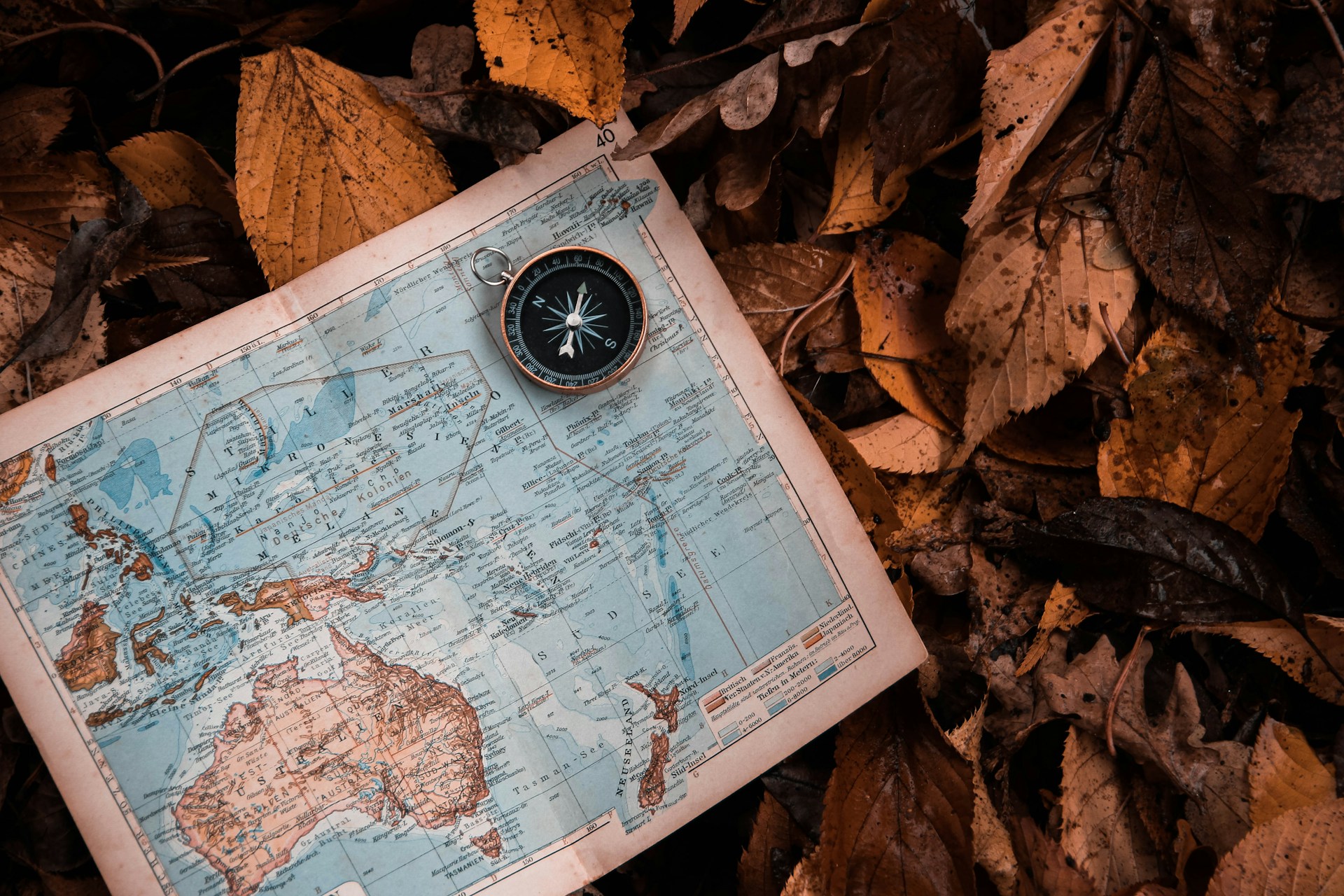
Logistics form the backbone of your schedule. Start with flights, accommodations, and transport. These elements decide how your days unfold. Early planning avoids complications and protects your budget. It also gives you better choices in timing and location. Hotels near transit routes make moving easier. Pre-booked passes save long waits. When your logistics are clear, everything else flows. This step may not feel exciting, but it is vital. It supports safety, comfort, and predictability throughout the trip.
Balancing Activities With Downtime
Good itineraries blend activity and calm. Too many plans can drain your energy. Too little structure can lead to wasted time. Balance is the key to flow. Choose your main activities for each day, then leave space for spontaneity. This lets you follow your curiosity without falling behind. Downtime also helps you process the new sights, sounds, and flavors around you. Travel becomes more enjoyable when your mind and body feel steady. A balanced itinerary keeps your enthusiasm alive from start to finish.
Preparing for Cultural and Practical Differences
International travel introduces you to new ways of living. Respect for local culture enhances your experience. Learn basic etiquette, greetings, and dining customs. These efforts help you connect with the community. They also prevent misunderstandings. Practical differences matter too. Electrical outlets, currency rules, and transportation norms vary widely. Preparing for these small details strengthens your confidence abroad. The more you understand before you arrive, the smoother your trip feels. Preparation makes every encounter more meaningful.
Creating Room for Flexibility and Discovery
 The best itineraries leave space for surprise. Some of your favorite moments may be unplanned. A quiet street, a hidden café, or a festival you did not expect can shape your memories. Flexibility keeps your journey fresh. It allows you to follow your instincts. It also helps you adapt when plans shift. Weather, crowds, or closures can change your schedule at any moment. With a little flexibility, those changes do not disrupt your trip. They simply redirect it. Treat your itinerary as a guide, not a rulebook. This ensures that your travel experience stays enjoyable and authentic, even when plans evolve.
Building the perfect international travel itinerary is a thoughtful process. It requires clarity, research, structure, and flexibility. Each part of the plan supports the next. A well-crafted itinerary makes room for adventure while keeping your journey manageable. It also helps you stay grounded as you move across borders and cultures. When you prepare with care, your travels feel smooth and memorable. The right plan brings comfort and excitement together. It ensures that every day abroad contributes to a fulfilling experience.


 It can be a little difficult to choose the best camping destination. It would be wonderful to choose a destination that is also fun for the kids. Clean toilets, running water for showers, and wide-open green spaces for the kids to run should be considered for easy and convenient campgrounds. It would be a good option to camp at one of those campgrounds that are fully equipped with everything you need. But if you want to experience the real outdoors, then you can visit a place away from people, deep in the woods, and that doesn’t have fancy amenities.
 You need to plan your meals and think about how you will prepare them outdoors. Consider ingredients and certain frozen foods you can take with you. You will need the resources to cook everything. It can be a bit difficult to find the best option in terms of camping cookware.
 Low magnification binoculars are necessary if you want to hunt birds, deer, or ducks. You will need a sharp hunting knife for skinning your game. It should have a good handle. Professional hunters will choose the best kit for their needs, but beginners should choose the cheapest one. These hunting kits have earned a good reputation for high performance. There are many types of arrows, and some people prefer to make their own. There are several types of bows for deer hunting, such as longbows and compound bows.
 When evaluating scopes for hunting, there are two main aspects to consider: performance and cost. There is a range of entry-level scopes that you can purchase for a few hundred dollars to costly sizes that cost thousands. Hunters need to consider the terrain they will be hunting in and their budget and performance needs. When reviewing all of the scopes available on the market, it is essential to remember that the primary purpose of the size should not take a back seat to other functions.